
Top Online Casinos for EU Players in 2026: A Complete Guide to Safe, Licensed Gaming Platforms
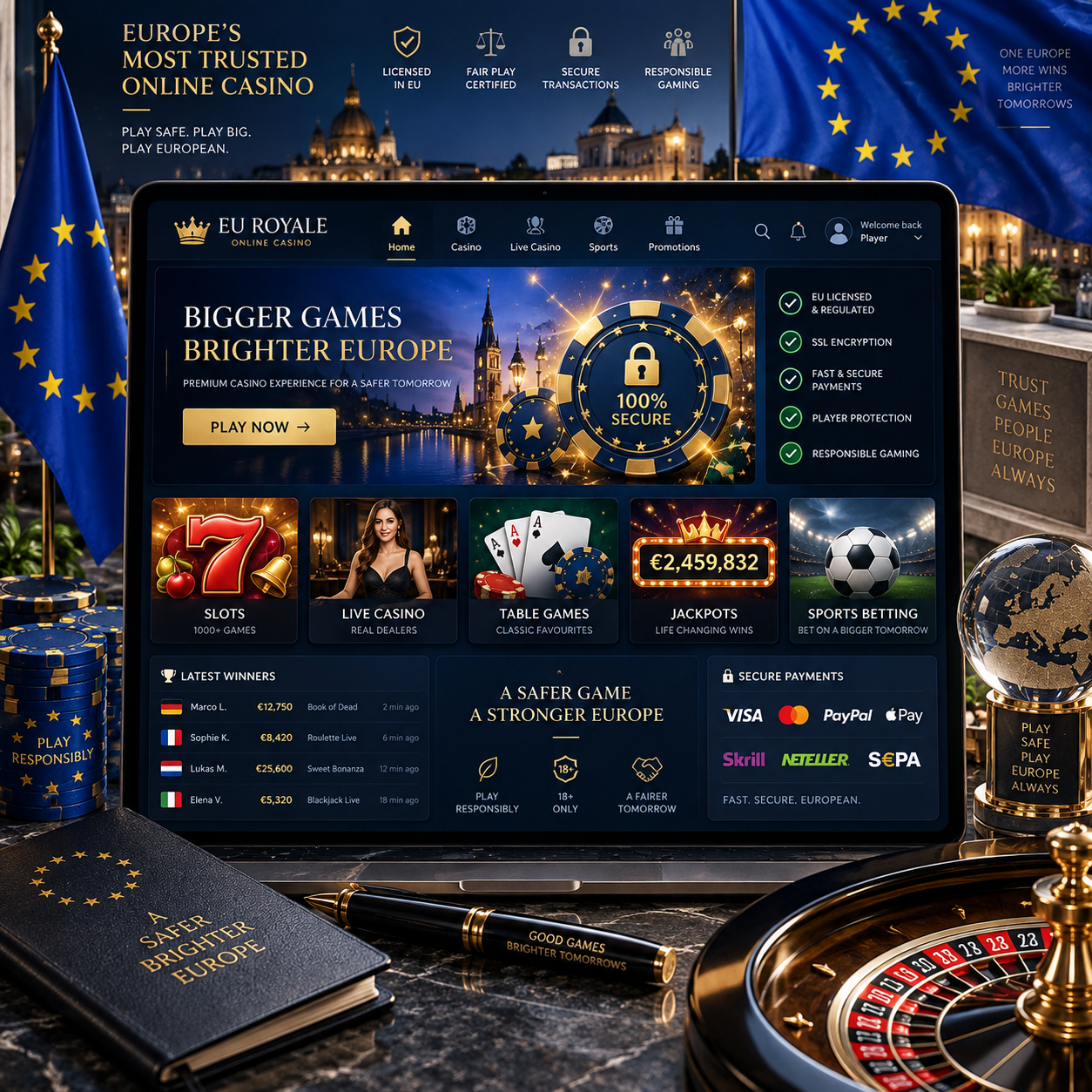
The online gambling scene across the EU has genuinely exploded over the last couple of years, and 2026 isn't slowing down one bit. More operators, more games, more payment options — but with all that growth comes a real need to slow down and actually think about who you're trusting with your money. I've spent a fair chunk of time digging through licenses, reading the fine print on bonus terms, and testing withdrawal speeds myself. Not once, not twice — enough times to notice patterns. This guide comes from that hands-on legwork, not recycled marketing copy someone dashed off in an afternoon between coffee breaks. Below, I'll walk you through what licensing actually means for your protection, the safety signals worth checking before you deposit a single cent, a look at some standout platforms including Pelican casino, and practical advice for picking a site that fits your habits and your country's rules.
Why Licensing Matters for EU Online Casinos
Licensing isn't just a bureaucratic checkbox. It's the single biggest indicator of whether a casino will treat you fairly when things go sideways — a disputed withdrawal, say, or a game that glitches mid-spin and eats your last free spin. Within the EU, national gambling authorities set the rules for operators serving their citizens, and these regulators require audited RNGs, segregated player funds, and formal complaint procedures. Some platforms also hold licenses from jurisdictions like Malta or Curacao, which are widely accepted across various EU member states — though the level of player protection can differ significantly between them, and that gap matters more than most players realize.
Before you ever type in your card number, spend five minutes checking the casino's footer for license numbers and cross-referencing them on the regulator's official database. Sounds tedious, I know. It kind of is. But it's the fastest way to weed out operators who are cutting corners — and trust me, some of them are cutting a lot of corners.
Key EU Gambling Regulators to Know
Not all licenses carry the same weight, so here's a quick rundown of the ones you'll run into most often while shopping around:
- Malta Gaming Authority (MGA) – One of the most respected regulators in Europe, known for strict financial audits and mandatory responsible gambling tools.
- UK Gambling Commission (UKGC) – The UK isn't in the EU anymore, but plenty of EU-facing casinos still hold this license as a mark of quality, given its rigorous standards.
- Curacao eGaming – Common among newer or smaller operators; it's a lighter-touch license, so extra due diligence is recommended.
What Makes a Casino Safe and Trustworthy in 2026
Beyond licensing, there are a handful of concrete signals that tell you a platform takes security seriously. SSL encryption should be standard by now — should be — but you'd be surprised how many smaller sites skip it or bolt it on halfway. Look for third-party testing seals from organizations like eCOGRA or iTech Labs. These confirm the games aren't rigged and that payout percentages actually match what's advertised, not just what's promised in the marketing copy.
Responsible gambling features are another marker of legitimacy, and an underrated one at that. A trustworthy casino makes it easy to set deposit limits, take a break, or self-exclude entirely, without burying these options three menus deep where nobody will ever find them. And if a site's terms and conditions read like they were written to confuse you rather than inform you? That's a bad sign in itself. Full stop.
Red Flags to Avoid When Choosing a Platform
A few warning signs I always tell people to watch for:
- No visible license information, or a license number that doesn't match up when checked
- Consistently delayed or 'under review' withdrawals with no clear timeline
- Bonus terms that change after you've already opted in, or wagering requirements buried in tiny footnotes
- Customer support that's unreachable outside a narrow window, or only available via a slow-moving contact form
Top Online Casinos for EU Players in 2026
With the safety basics out of the way, let's get into the platforms actually worth your time this year. The EU market is crowded — genuinely crowded — but a smaller group of operators consistently stand out. Game variety, transparent operations, customer support that actually helps rather than stalls you with copy-paste replies that read like they came from a template.
Pelican casino has become one of my go-to recommendations for players in Poland and neighboring EU countries. What impressed me most is how localized the whole experience feels: Polish-language support, familiar payment rails, a game library that mixes big-name slot providers with a solid live dealer section. Banking options cover the usual e-wallets alongside local bank transfer methods, and withdrawal processing has been noticeably quicker than several competitors I've tested in the same region — noticeably enough that I actually double-checked the timestamps. Their licensing documentation is clearly displayed too, which — as I mentioned above — is exactly what you want to see before signing up anywhere.
Other platforms worth comparing tend to differentiate themselves through niche game selections, VIP loyalty programs, or particularly strong mobile apps. The point isn't picking the 'biggest' name. It's finding the one that matches how you actually like to play — slots, live poker tables, sports-adjacent casino games, whatever your thing happens to be.
Comparing Bonuses and Welcome Offers
Welcome bonuses across EU-facing casinos generally follow a similar pattern: a percentage match on your first deposit, sometimes paired with free spins on select slots. But the details matter enormously — this is where I've seen people get burned, more than once. Wagering requirements can range from a reasonable 20x bonus amount to an eye-watering 50x or higher, and some casinos exclude table games entirely from bonus play. Always check the maximum cashout cap tied to bonus winnings too. Some platforms limit how much bonus-derived profit you can actually withdraw, which can be a frustrating surprise if you're not paying attention upfront.
Payment Methods and Withdrawal Speed for EU Players
EU players are lucky, honestly, to have such a wide range of payment options that work smoothly across borders. SEPA bank transfers remain a dependable choice, especially for larger transactions, though they can be slower than digital alternatives — sometimes a couple of business days slower, which matters if you're impatient like me. E-wallets like Skrill and Neteller have become the standard for fast deposits and withdrawals, often processing payouts within hours rather than days. Credit and debit cards are still widely accepted, though some banks apply extra scrutiny to gambling transactions — which can occasionally cause delays nobody bothered to warn you about.
Withdrawal speed really does vary by jurisdiction and operator policy. MGA-licensed sites, for instance, tend to have stricter but more predictable payout timelines compared to some lighter-regulated platforms. If fast access to your winnings matters to you — and for most people, it does — it's worth checking a casino's stated withdrawal policy before you commit any deposits.
Mobile Gaming and User Experience Trends in 2026
Mobile play has quietly become the default way most EU players engage with online casinos, and operators have responded accordingly. Dedicated apps are increasingly common, though plenty of top platforms still offer excellent browser-based mobile experiences that don't require any downloads at all. Live dealer integration has improved dramatically too. Streaming quality is sharper, interfaces feel less clunky than they did even a year or two ago — and yeah, that's a real improvement, not just marketing spin.
Localization has also become a real differentiator, maybe the biggest one I've noticed lately. The best platforms now support multiple EU languages and local currencies natively, rather than forcing conversions or English-only interfaces on players who'd rather not deal with that headache.
Responsible Gambling Tools and Player Protection
Reputable EU-licensed casinos are required to offer meaningful player protection tools, not just token gestures buried in a footer link somewhere. This includes self-exclusion programs that can be activated across multiple platforms simultaneously in some jurisdictions, customizable deposit and loss limits, and session time reminders that pop up during extended play. Many operators also partner with organizations that provide free counseling resources for players who feel their gambling habits are becoming a problem. If a casino doesn't make these tools easy to find, that alone tells you something about their priorities — and not something good.
How to Choose the Right Online Casino for You
With all that in mind, here's a practical checklist I'd run through before creating an account anywhere:
- Confirm the license is valid and matches the regulator's public database
- Read a handful of independent reviews rather than relying solely on the casino's own testimonials
- Test customer support with a quick question before depositing — response time tells you a lot
- Check that the game library actually includes what you enjoy playing, not just headline slots
- Verify that payment methods and currencies work smoothly for your specific country
Choosing the right online casino in 2026 really comes down to prioritizing safety and transparency over flashy bonuses or loud advertising. Licensing, third-party audits, and clear responsible gambling tools should always be your starting point, not an afterthought you check once and forget about. Platforms like Pelican casino show it's entirely possible to combine a genuinely enjoyable gaming experience with solid regulatory backing and localized support for EU players. Whichever site you ultimately choose, take the time to do your own due diligence first. Your future self — and your wallet — will thank you for it.